Designing Experiences Around the Desert
The conversation around sustainability in hospitality often focuses on what happens behind the scenes. Sourcing. Operations. Waste. Energy.
Those things matter.
But in the desert, sustainability begins somewhere else.
It begins with understanding that the landscape was here first.
Long before camps, restaurants, or overnight stays, the desert already had its own rhythm. Wildlife moved through it. Native plants adapted to it. Entire ecosystems existed within it.
The question is not simply how to bring hospitality into the desert.
The question is how to do so without overwhelming the very environment that makes the experience worth having in the first place.
For Nara, that philosophy shapes everything from where experiences take place to how they are designed, built, and experienced.
Why Sustainability Looks Different in the Desert
Sustainability means different things in different places.
In a city, it may focus on buildings, transport, or infrastructure. In the desert, the priorities are often different.
The environment is more exposed. Resources are more limited. Small changes can have a visible impact over time.
This is why many of Nara’s experiences take place within the Dubai Desert Conservation Reserve (DDCR), a protected area dedicated to preserving one of the UAE’s most important natural landscapes.
Operating within such an environment creates a different responsibility.
The goal is not simply to bring people into the desert. It is to ensure the desert remains worth experiencing long after they leave.
The Desert Was Here First

One of the easiest mistakes hospitality can make is treating nature as a backdrop.
The desert is not a set stage.
It is a living environment with its own ecosystems, wildlife, and patterns that have existed before tourism arrived.
The Dubai Desert Conservation Reserve was established to protect those ecosystems and ensure future generations can continue to experience them.
For Nara, operating within the reserve means designing experiences that work alongside the landscape rather than competing with it.
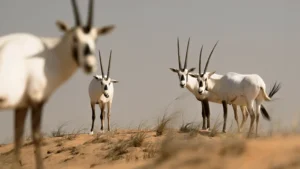
Guests may encounter native wildlife, vast open spaces, and areas that remain intentionally untouched.
Those moments are not additions to the experience. They are the experience.
The desert does not need to be transformed to feel remarkable.
Often, the most responsible approach is simply allowing it to remain what it already is.
Building With the Landscape, Not On Top of It
When people think about sustainable staycations, they often picture forests, mountains, or coastal retreats.
The desert presents a different challenge.
How do you create comfort without removing guests from the environment they came to experience?
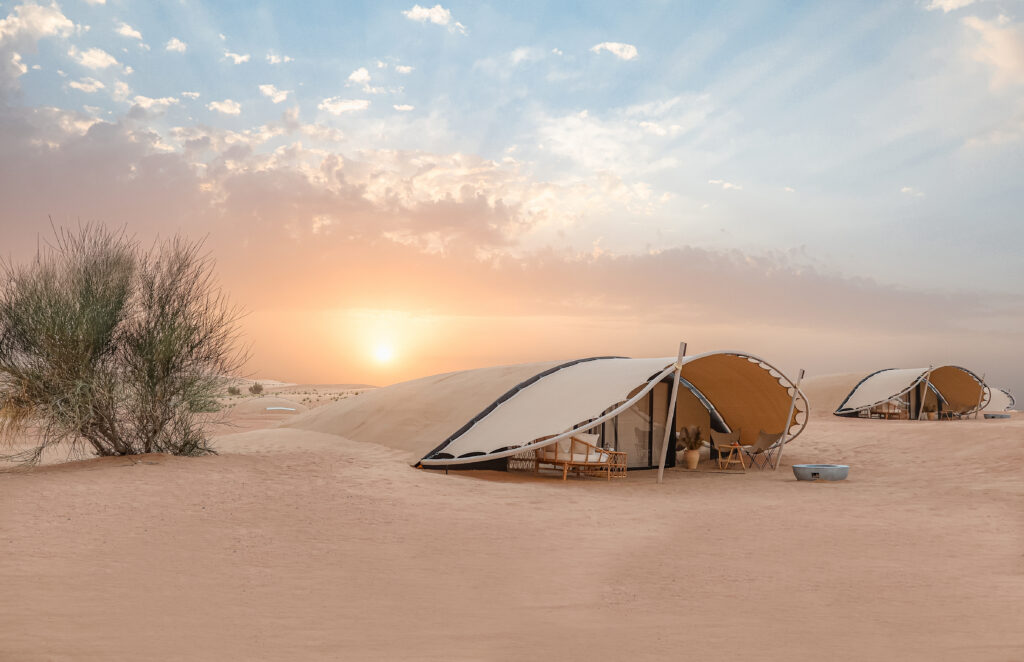
At The Nest, the answer begins with design.
Rather than dominating the landscape, the structures are designed to sit within it. Their forms draw inspiration from the natural environment around them, creating a sense of belonging rather than contrast.
The result is an overnight experience that feels connected to the desert rather than isolated from it.
Guests wake to sunrise over the dunes. Evenings unfold beneath endless open skies. The environment remains present throughout the stay.
The goal is not to recreate a city hotel in the desert.
It is to create a stay that feels inseparable from its surroundings.
Why Scale Matters
When discussing sustainable hospitality, scale is often overlooked.
Yet it shapes how an environment is experienced.
The desert’s greatest luxury has always been space; space to see further, space to move differently, space to feel removed from the pace of daily life.
At Nara, experiences are designed around that principle.
Rather than competing with the landscape, they are shaped by it.
The setting remains the focus.
The desert is not something guests pass through on the way to an activity. The landscape becomes part of the experience itself.
This slower, more considered approach changes how people engage with the environment around them.
And often, that connection creates a greater appreciation for why places like the DDCR deserve protection in the first place.
Sustainability at the Table

Sustainability does not end with where an experience takes place.
It also influences how hospitality evolves over time.
At Sonara Camp, menus change seasonally, allowing dishes to evolve throughout the year rather than remaining fixed.
This approach keeps the dining experience dynamic while allowing the culinary team to respond to changing ingredients, guest preferences, and the natural rhythm of the seasons.
Beyond the dining experience itself, Nara’s desert locations are also supported by solar-powered infrastructure, reflecting a broader commitment to operating thoughtfully within a remote environment.
For guests, these decisions may not always be visible, and that is often the point.
The best hospitality rarely draws attention to itself.
It simply allows the experience to feel seamless.
What Makes a Desert Experience Sustainable?
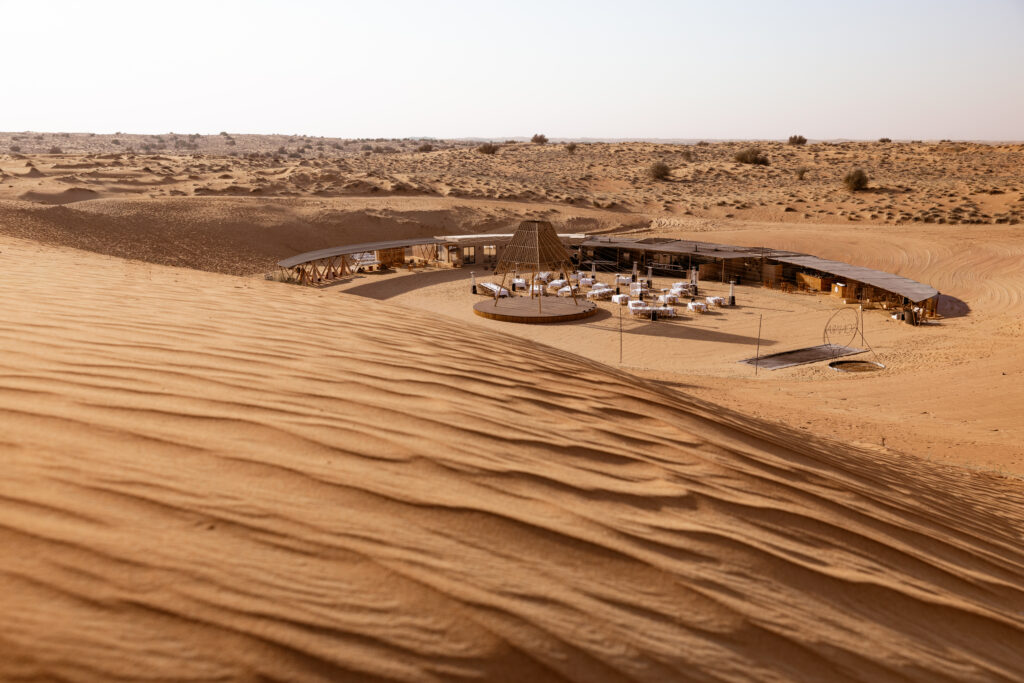
There is no single feature that makes an experience sustainable. It is rarely one decision. More often, it is a collection of smaller choices made consistently over time; where experiences are located, how they are designed, how they interact with the landscape around them, how they encourage guests to engage with the environment, and how much consideration is given to what remains after the experience is over.
In the desert, those choices matter.
Unlike many destinations, the environment itself is the reason people come.
Protecting it is not separate from hospitality. It is part of hospitality.
Frequently Asked Questions
What makes a desert experience sustainable?
A sustainable desert experience considers how it interacts with the environment around it. This includes factors such as location, design, energy use, and the overall impact on the surrounding landscape.
Are Nara experiences located inside the Dubai Desert Conservation Reserve?
Many of Nara’s desert experiences, including Sonara Camp, The Nest, Nara Escape, and Nara Oasis, operate within the Dubai Desert Conservation Reserve, allowing guests to experience one of the UAE’s most protected natural environments.
Does Nara use solar power?
Yes. Nara’s desert locations utilise solar-powered infrastructure as part of their operations within the desert environment.
What makes The Nest different from a traditional hotel stay?
The Nest is designed as an immersive desert stay rather than a conventional hotel experience. Its design, setting, and atmosphere allow guests to remain connected to the landscape throughout their stay.
Why is the Dubai Desert Conservation Reserve important?
The Dubai Desert Conservation Reserve helps protect native wildlife, ecosystems, and landscapes while allowing visitors to experience the desert responsibly.
Can sustainability and luxury hospitality coexist?
Increasingly, yes. Many hospitality brands are exploring ways to create memorable guest experiences while operating with greater consideration for the environments in which they exist. At Nara, that approach begins with designing experiences around the desert rather than asking the desert to adapt to them.